
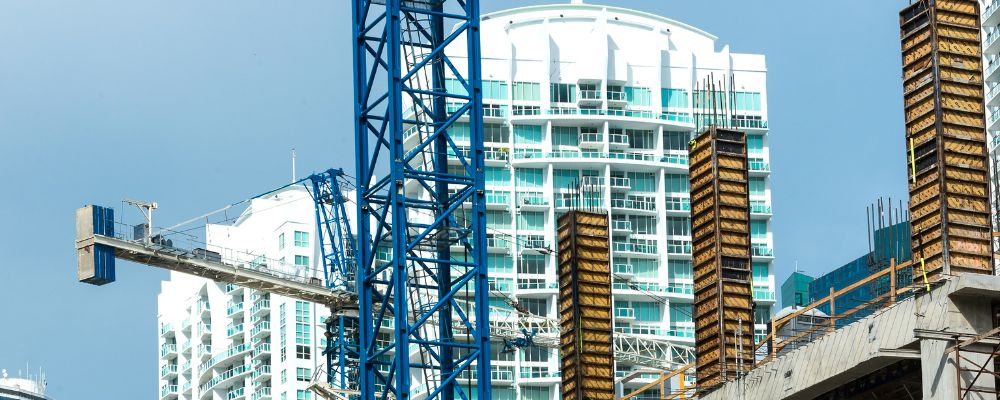
New Construction
Refers to the process of building a structure from the ground up, typically involving planning, designing, and executing the creation of homes, commercial buildings, or other facilities. Unlike remodeling, which deals with existing structures, new construction starts with a clean slate and allows for complete customization. Here’s an overview of the key steps involved:
### 1. **Planning and Design**
– **Initial Consultation:** Work with architects, contractors, and designers to outline your vision, budget, and goals for the project.
– **Blueprints and Design:** Create detailed plans and blueprints that define the structure’s layout, including room sizes, placements, and specifications for materials and systems (plumbing, electrical, HVAC).
– **Permits and Zoning:** Obtain necessary permits and ensure the project adheres to local building codes, zoning laws, and environmental regulations.
### 2. **Site Preparation**
– **Clearing the Land:** Remove trees, rocks, and debris from the site. Grade the land for proper drainage and stability.
– **Foundation Preparation:** Excavate the area where the foundation will be laid. This may include digging trenches or holes for basements, crawl spaces, or slab foundations.
– **Utilities Setup:** Install necessary utilities like water, gas, electricity, and sewer lines to the site.
### 3. **Foundation Construction**
– **Foundation Types:** Choose between different foundation options such as a slab, crawl space, or basement based on the location, soil, and design preferences.
– **Pouring Concrete:** Once forms and reinforcements are in place, concrete is poured and cured to create a stable base for the structure.
### 4. **Framing**
– **Structural Framework:** Erect the skeleton of the building using materials like wood, steel, or concrete. This step establishes the shape of the building, including walls, floors, and the roof.
– **Roofing:** Install the roof structure, which could involve trusses or rafters, followed by the roofing material such as shingles, metal, or tiles.
– **Windows and Doors:** Once the framework is complete, windows and doors are installed in their respective openings.
### 5. **Exterior Work**
– **Siding and Exterior Finishes:** Install exterior siding (brick, stucco, vinyl, wood, etc.) that protects the structure from the elements and adds aesthetic appeal.
– **Roofing Installation:** Finalize the roofing with the appropriate material and ensure proper ventilation and drainage systems are in place.
– **Driveways and Landscaping:** Create access to the building with driveways, walkways, and landscaping.
### 6. **Mechanical Systems Installation**
– **Plumbing:** Install the plumbing system, including water supply lines, drainage, and fixtures.
– **Electrical Wiring:** Run electrical wiring throughout the structure, ensuring the placement of outlets, light switches, and circuits according to the design plans.
– **HVAC Systems:** Install heating, ventilation, and air conditioning systems to regulate the temperature and air quality in the building.
### 7. **Insulation and Drywall**
– **Insulation:** Add insulation to walls, floors, and ceilings to improve energy efficiency and maintain a comfortable indoor temperature.
– **Drywall Installation:** Once insulated, drywall (or other wall materials) is installed, taped, and finished to create smooth interior walls.
### 8. **Interior Finishes**
– **Flooring:** Install flooring materials such as hardwood, tile, carpet, or vinyl.
– **Cabinetry and Fixtures:** Install cabinets, countertops, sinks, and bathroom fixtures.
– **Paint and Trim:** Apply paint to walls, install baseboards, crown molding, and other trim for a polished look.
### 9. **Final Inspections**
– **Code Compliance:** Ensure the building meets all local building codes and safety regulations.
– **Inspection:** Schedule final inspections from relevant authorities to approve the electrical, plumbing, and structural components.
### 10. **Final Touches and Handover**
– **Appliances and Fixtures:** Install appliances (e.g., ovens, refrigerators, washers) and any remaining fixtures or custom installations.
– **Cleaning and Landscaping:** Perform a deep clean of the interior and finalize landscaping work outside.
– **Walkthrough and Handover:** Conduct a final walkthrough with the contractor to identify any remaining issues or touch-ups before the building is handed over for use.
### Benefits of New Construction
– **Customization:** You have complete control over the layout, design, materials, and finishes, allowing you to tailor the space to your needs.
– **Modern Technology:** New builds can include the latest in smart home technology, energy-efficient systems, and eco-friendly materials.
– **Low Maintenance:** Everything is new, so there’s less risk of immediate repairs or issues related to aging systems.
New construction projects require careful planning, attention to detail, and collaboration with professionals to ensure the final result is both functional and beautiful.